

Broadening thinking: MSc connects economics and climate change
By Espino Moreno Ricardo - Posted on 25 March 2026
Ricardo Espino Moreno is a student on the MSc Economics & Policy of Energy & Climate Change – coming from Panama, he decided to study abroad for the strength of the programme and Scotland’s rich academic tradition.
Before arriving at the University of Strathclyde, I was working as an energy consultant for multilateral development banks in Central America, based in Panama. I have some experience navigating practical aspects of the energy sector, but I wanted a programme that would sharpen my thinking, broaden my frameworks, and connect economics and policy with energy and climate change in a rigorous, applicable way. The MSc Economics & Policy of Energy & Climate Change (EPECC) programme offered exactly that.
The programme offers a breadth of topics without sacrificing depth. On a typical Friday, we started the day by examining how innovation curves have changed renewable energy costs and their impacts on emissions reductions. In the afternoon, we compared market-based instruments and command-and-control approaches for managing carbon emissions externalities. This kind of intellectual range is what makes EPECC unique.
Economics forms the core of the programme, extending into policy, technology, natural resource management, energy, climate change, and data-driven decision-making. I have been able to connect concepts between energy and climate change economics, sustainable transitions, and the appraisal of projects and policies. Additionally, electives allow one to pursue further interests. After seven months, I can confidently say I made an excellent choice.
Highlights of the programme
Two things have stood out beyond the curriculum itself. First, the lecturers are highly qualified. They are committed to guiding you through the modules with research-backed information and are eager to answer your questions. In the Appraisal and Modelling module, the combination of lectures and lab sessions with instructors who have applied these methods at the forefront of policy and research made the learning feel truly practical.
Second, the cohort. My classmates come from around the world, and that diversity has been one of the most meaningful parts of the experience. Hearing how the concepts’ applications vary in different countries, through questions, discussions, and personal stories, has truly broadened my view of the world and the energy sector.
Additionally, guest speakers and site visits have brought diverse perspectives to the programme. Sessions on energy economics applications, sustainable finance, and a site visit to a local historic manufacturer linked classroom learning with industry experience in sustainability practices. To broaden my perspective, I attended an FAI´s event featuring the Scottish First Minister and visited the Scottish Parliament for a CEP’s event to listen and network during a discussion on the energy transition.
Studying in Scotland
Deciding to study abroad was about gaining new perspectives and accessing a top-tier educational environment. I chose Scotland for its rich academic tradition, the strength of the EPECC programme, and the experience of exploring a country that is truly fascinating.
Glasgow exceeded my expectations. It's a friendly city with welcoming people, a walkable place that combines history and modern culture, with music, museums, sports, comedy clubs, and good public transportation connecting it to the rest of Scotland and the UK. Scotland's landscapes, from national parks to the Highlands, are unique, and I can assure you that the weather has its charm.
My advice to prospective students
I highly recommend EPECC to anyone interested in specialising or researching energy and climate change with a strong foundation in economics. The programme will help broaden your thinking and reshape your ideas through practical applications.
My advice is to consider your goals, speak with current students, alumni, and staff, and once you're here, stay curious. Ask questions, learn from your classmates, and enjoy the experience. If energy and climate change matter to you, this programme will equip you with the tools to make a difference.





About Espino Moreno Ricardo
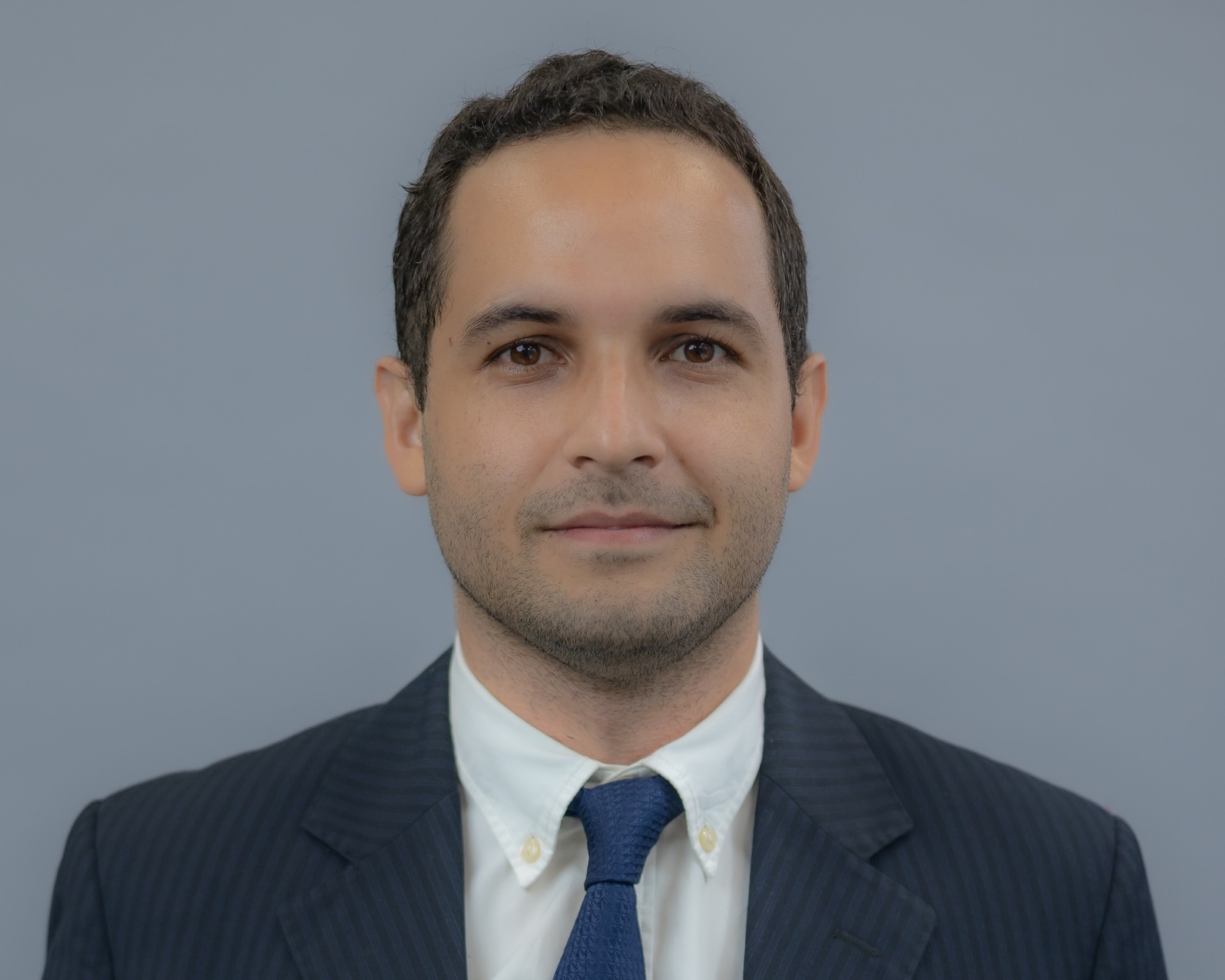
Ricardo Espino Moreno is a student on the MSc Economics & Policy of Energy & Climate Change programme in the Department of Economics at Strathclyde Business School. He worked for the World Bank as an energy consultant prior to his studies.

