

Ten Days in Chengdu: Reflections from the SWUFE Global Academy
By Pius Andru’da - Posted on 3 September 2026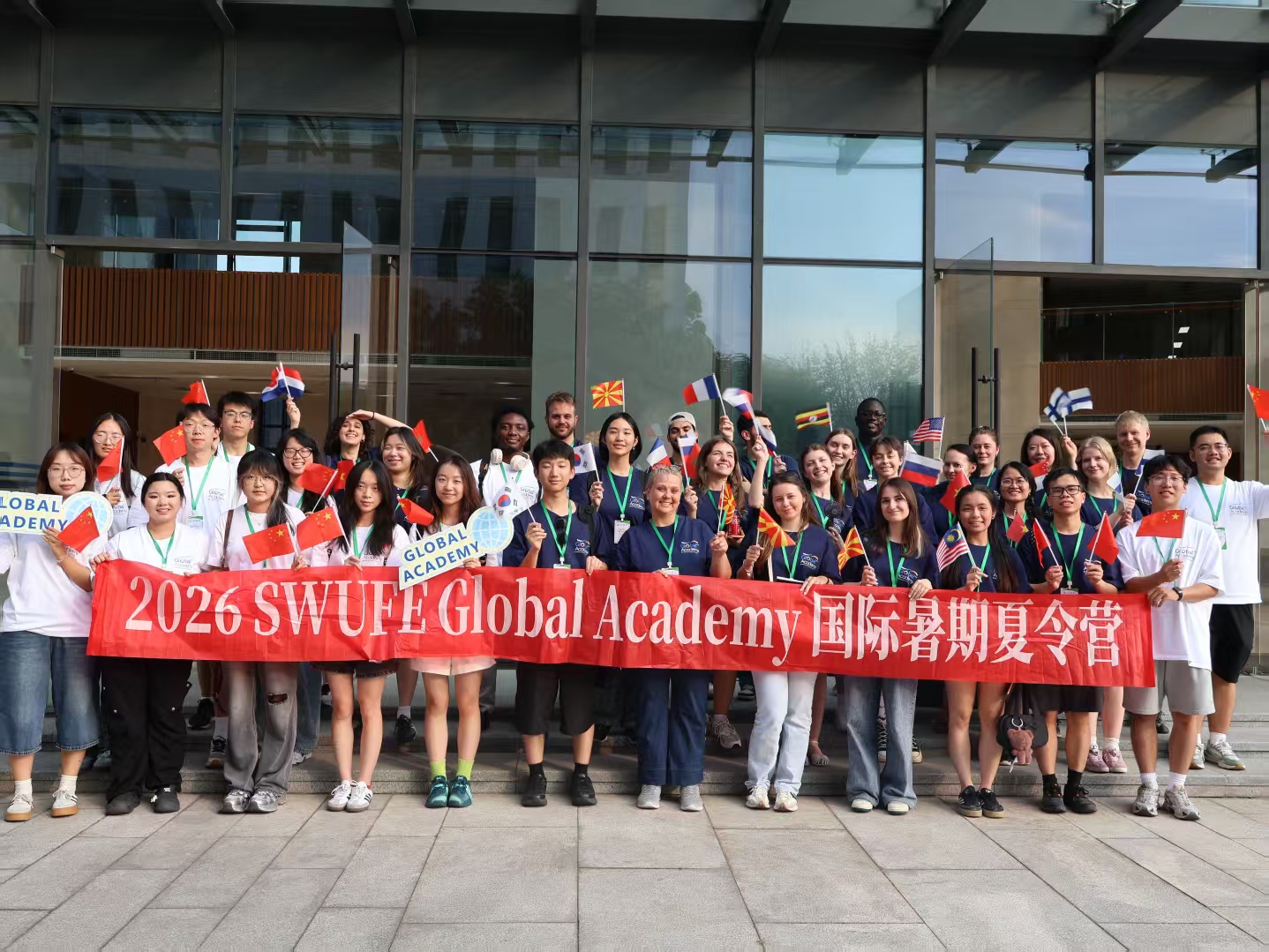
Pius Andru’da recently attended the SWUFE Global Academy Summer School - here, he shares his experience of the trip, made possible thanks to the Stephen Young Global Leaders' Scholarship Programme at Strathclyde Business School.
Earlier this month I represented the University of Strathclyde Business School and the Stephen Young Institute for International Business at the SWUFE Global Academy, a ten-day summer programme hosted by the Southwestern University of Finance and Economics in Chengdu, China. I joined an international cohort of students from Russia, North Macedonia, Cameroon, Malaysia, Singapore, Vietnam and Finland.
The programme itself is a mix of academic lectures, cultural visits and structured exchange with Chinese students, and it's worth saying upfront that none of it would have been possible without the support of the Stephen Young Institute for International Business, and the nomination I received from the Business School to attend. I'm genuinely grateful for both.
First impressions of the campus
SWUFE's campus set the tone from day one: modern teaching buildings sit alongside a history museum and a currency museum, which we toured together on our first full day, guided by staff who clearly took pride in the collections. The Chengzheng and Ge Zhi buildings, where our lectures were held, were well equipped, and the campus canteen became a daily meeting point where conversations often ran longer than the meal itself.
The tours
The site visits were the heart of the ten days. Du Fu Thatched Cottage, the reconstructed home of the Tang dynasty poet, was a quiet, garden-filled introduction to the cultural side of the programme. The Chengdu Research Base of Giant Panda Breeding was, unsurprisingly, a highlight for the whole cohort. The Chengdu Museum gave a denser, more chronological view of the city, and the Chinese tea ceremony and the Tai Chi session at the campus gym offered a slower, more physical counterpoint to a fairly packed schedule.
Aside from the official schedule, the Strathclyde students got an invitation from Jenny Lau, CEO of Sino Jet, to visit the company's FBO operations (private airtravel) at Chengdu Shuangliu International Airport. Seeing that side of aviation up close, an industry most of us only see in films, was a good reminder that Chengdu's ambitions extend well beyond its better-known tech and manufacturing base.
Classes
The academic side of the week was lighter than the tours, but a session on mobile payments in China stood out: it traced how Alipay and WeChat Pay grew to dominate everyday transactions by filling a gap that credit card infrastructure never really closed. Coming from an audit and assurance background, I found the regulatory and adoption story genuinely interesting.
Organisation and support
The programme was run almost entirely by student volunteers, and they deserve real credit for it. Registration, transfers and check-in were handled smoothly, and the volunteers were consistently approachable, whether the question was about the next day's visit or where to find good hotpot on a free evening (we found it, more than once).
What China is actually like, day to day
A few impressions are worth recording. Chengdu has a calm, unhurried pace of life for a city its size, teahouses full of people playing cards on a weekday afternoon. The scale is hard to picture until you’re in it: the greater city holds around 21 million people, roughly half Uganda’s population and four times Scotland’s. Despite that, the metro was easy to navigate thanks to English signage, and taxis were affordable and plentiful, many electric. Outside the university, English is not widely spoken, so a translation app was useful for most interactions.
Having visited Shanghai on an earlier, separate trip, the contrast was interesting: a faster, more international city compared with Chengdu’s calmer rhythm, a reminder of the diversity within what can look, from outside, like a fairly homogeneous country.
A multicultural exchange
What stayed with me most was the cohort itself. Sitting through sessions and touring sites alongside students from multiple countries, and hearing how they experienced the same programme through the lens of their own backgrounds, added a layer the formal curriculum couldn’t have provided on its own. One of our student volunteers was Cameroonian, studying at SWUFE, adding another interesting perspective. Free time was used differently by different people. I found some local salsa socials, and others spent evenings at the malls.
Closing thoughts
Ten days is a short window, but the SWUFE Global Academy used it well. Between the site visits, the people, and a sharper sense of how China's financial technology sector developed, I came away with a genuinely broadened network. For anyone at Strathclyde considering a similar exchange, particularly undergraduate students, I'd recommend it without hesitation.





About Pius Andru’da
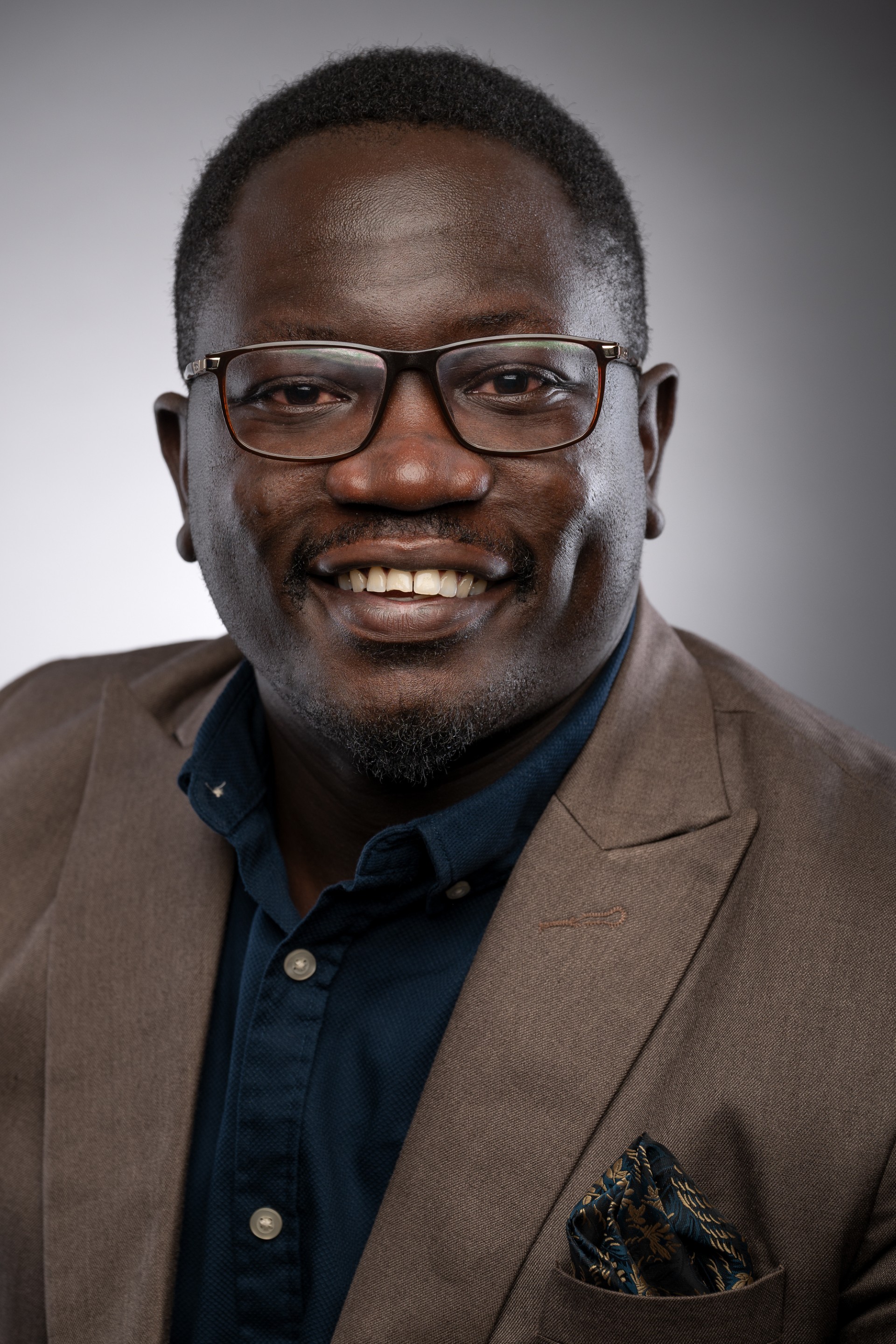
Pius Andru’da is an MBA student at Strathclyde Business School and a Stephen Young Global Leaders Scholar.

